
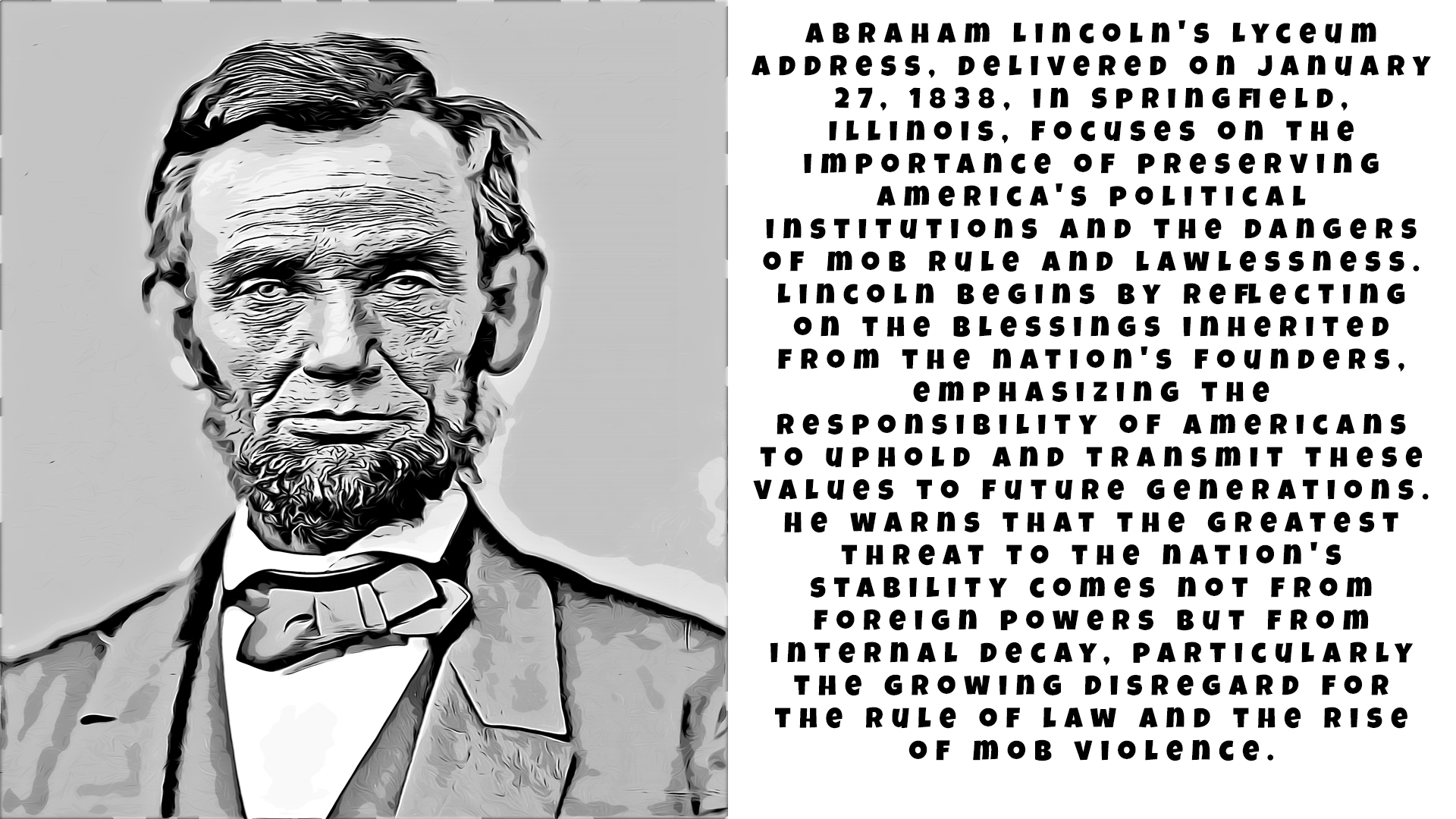
Abraham Lincoln’s Lyceum Address, delivered on January 27, 1838, in Springfield, Illinois, focuses on the importance of preserving America’s political institutions and the dangers of mob rule and lawlessness. Lincoln begins by reflecting on the blessings inherited from the nation’s founders, emphasizing the responsibility of Americans to uphold and transmit these values to future generations. He warns that the greatest threat to the nation’s stability comes not from foreign powers but from internal decay, particularly the growing disregard for the rule of law and the rise of mob violence.
Lincoln highlights examples of mob actions, such as the hanging of gamblers in Mississippi and the burning of a man in St. Louis, to illustrate the destructive consequences of such behavior. He argues that mob law undermines the public’s trust in government and alienates citizens, ultimately threatening the nation’s survival. Lincoln calls for a collective commitment to respect and uphold the law, urging Americans to make reverence for the Constitution and laws the “political religion” of the nation.
He also discusses the fading influence of the Revolutionary War generation, whose passion and sacrifices helped sustain the country’s institutions. As time passes, Lincoln emphasizes the need for “cold, calculating, unimpassioned reason” to guide the nation and maintain its freedom. He concludes by urging Americans to cultivate intelligence, morality, and respect for the law as the foundation for preserving liberty and ensuring the nation’s longevity.
Lincoln’s Lyceum Speech addresses the importance of upholding political institutions and the dangers posed by mob rule, emphasizing the need for law and order.
Perpetuation of Political Institutions
- Lincoln emphasizes the legacy of civil and religious liberty inherited from ancestors, highlighting the responsibility to preserve these institutions for future generations.
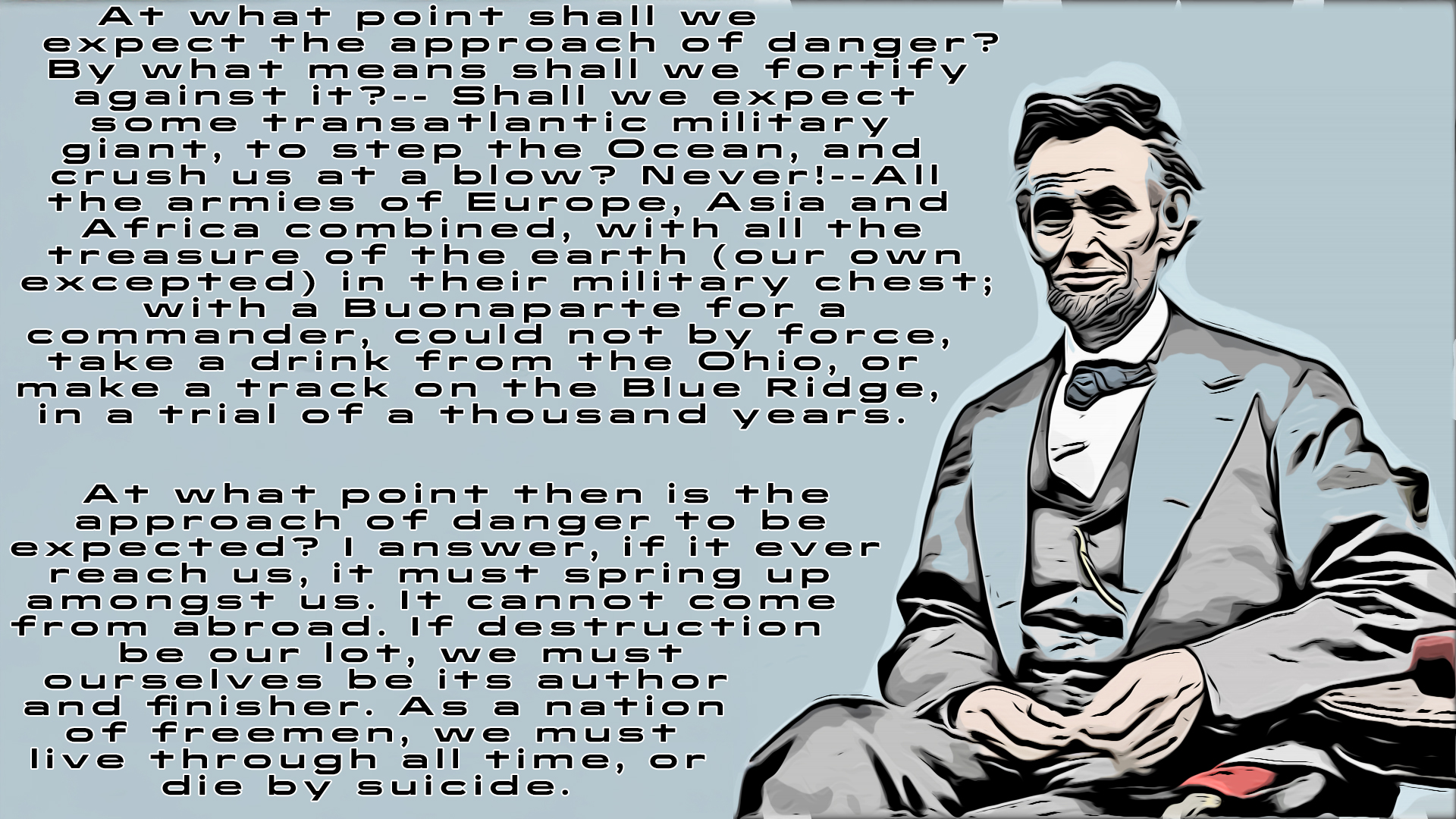
- He warns that the greatest threat to the nation will not come from external forces but from internal decay, particularly through the disregard for law and order.
- The speech reflects on the alarming rise of mob violence across the country, illustrating this with examples from Mississippi and St. Louis, where mob actions led to unjust killings.
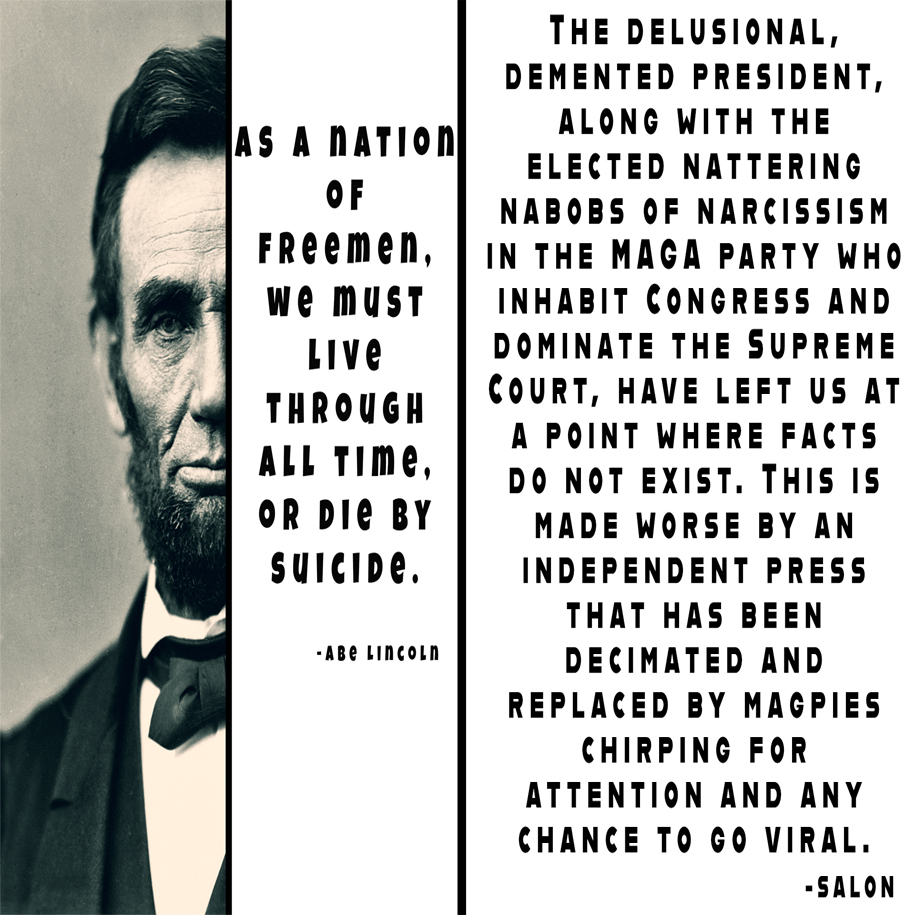
- Lincoln argues that mob law undermines the very foundations of government, alienating good citizens and encouraging lawlessness, which could ultimately lead to the government’s downfall.
Consequences of Mob Rule
- The direct consequences of mob actions may seem minor, but they set dangerous precedents that erode respect for the law.
- Innocent individuals can become victims of mob justice, leading to a breakdown of legal protections and a culture of fear.
- Lincoln asserts that the lawless spirit, if left unchecked, will alienate citizens from their government, making them more susceptible to radical changes and upheaval.
Call to Action
- Lincoln urges every American to commit to upholding the law, equating violations with a betrayal of the sacrifices made by previous generations.
- He advocates for a collective reverence for the law, suggesting it should be ingrained in education and public discourse, becoming a national principle.
- While acknowledging the existence of bad laws, he insists that they should still be observed until they can be legally repealed, emphasizing that mob law is never a legitimate form of redress.
Historical Context and Future Risks
- Lincoln reflects on the historical context of the American Revolution, noting that the passion and unity that once supported the government are fading.
- He warns that as the memory of the Revolution diminishes, new threats may arise from ambitious individuals seeking power, potentially leading to the dismantling of established institutions.
- The speech highlights the need for a well-informed and united populace to resist such threats, emphasizing that the government’s stability relies on the people’s attachment to it.
Conclusion
- Lincoln concludes that the survival of American democracy depends on a commitment to law and order, urging citizens to cultivate a culture of respect for legal institutions.
- He posits that without this commitment, the government risks collapse, as the very principles of liberty and justice could be undermined by the rise of mob rule and individual ambition.
- The speech serves as a poignant reminder of the fragility of democracy and the continuous effort required to maintain it.
 Here's A Thing...